Studio conversationAmsterdam20 October 2026

Producing art.

What it takes to build something that was never meant to last


Weeks of developing, engineering, testing and refining for work that may exist for only a few hours or days. A look behind the finished image.

In conversation with
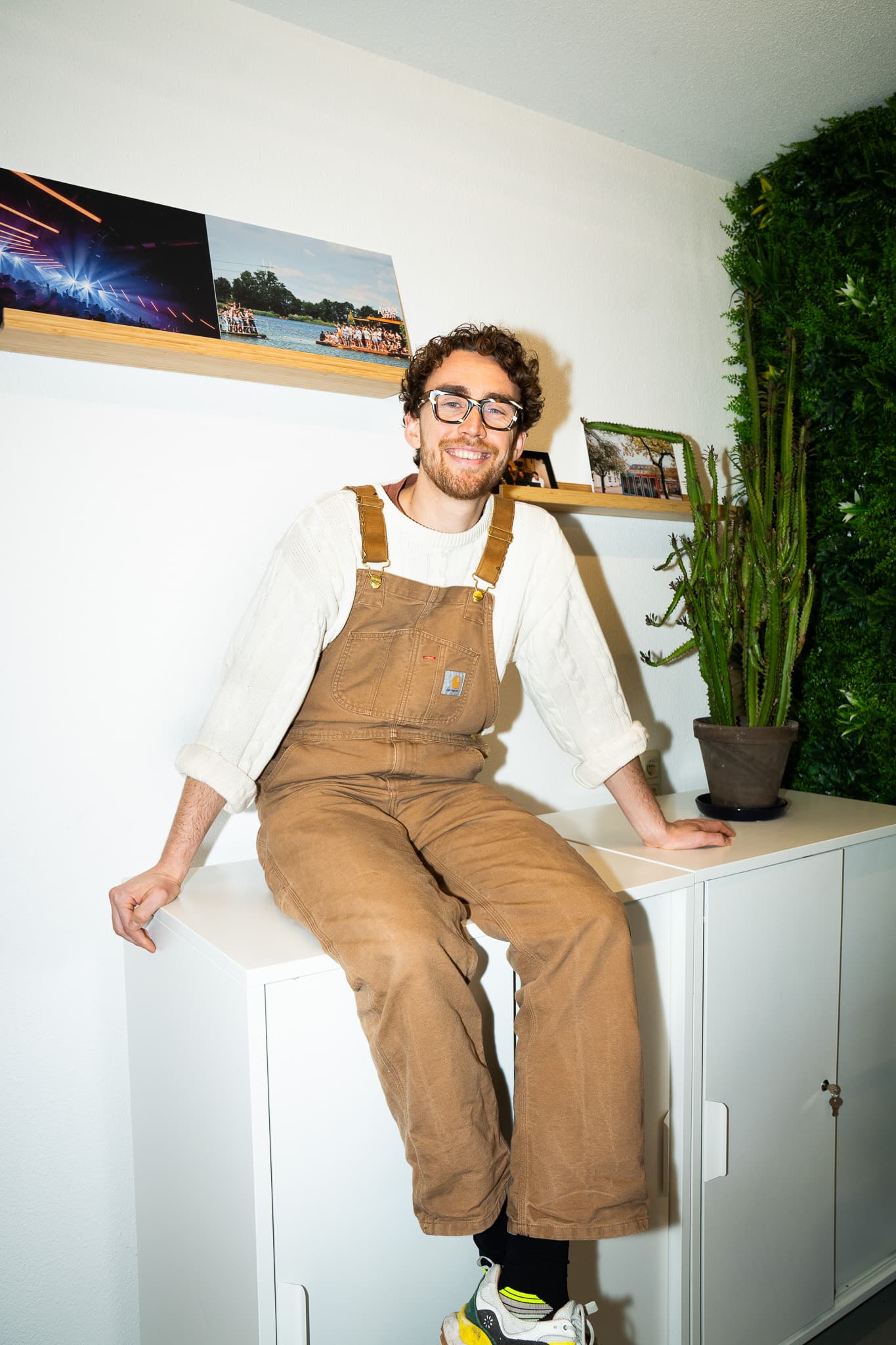
  • Hannes TroosterManaging Director
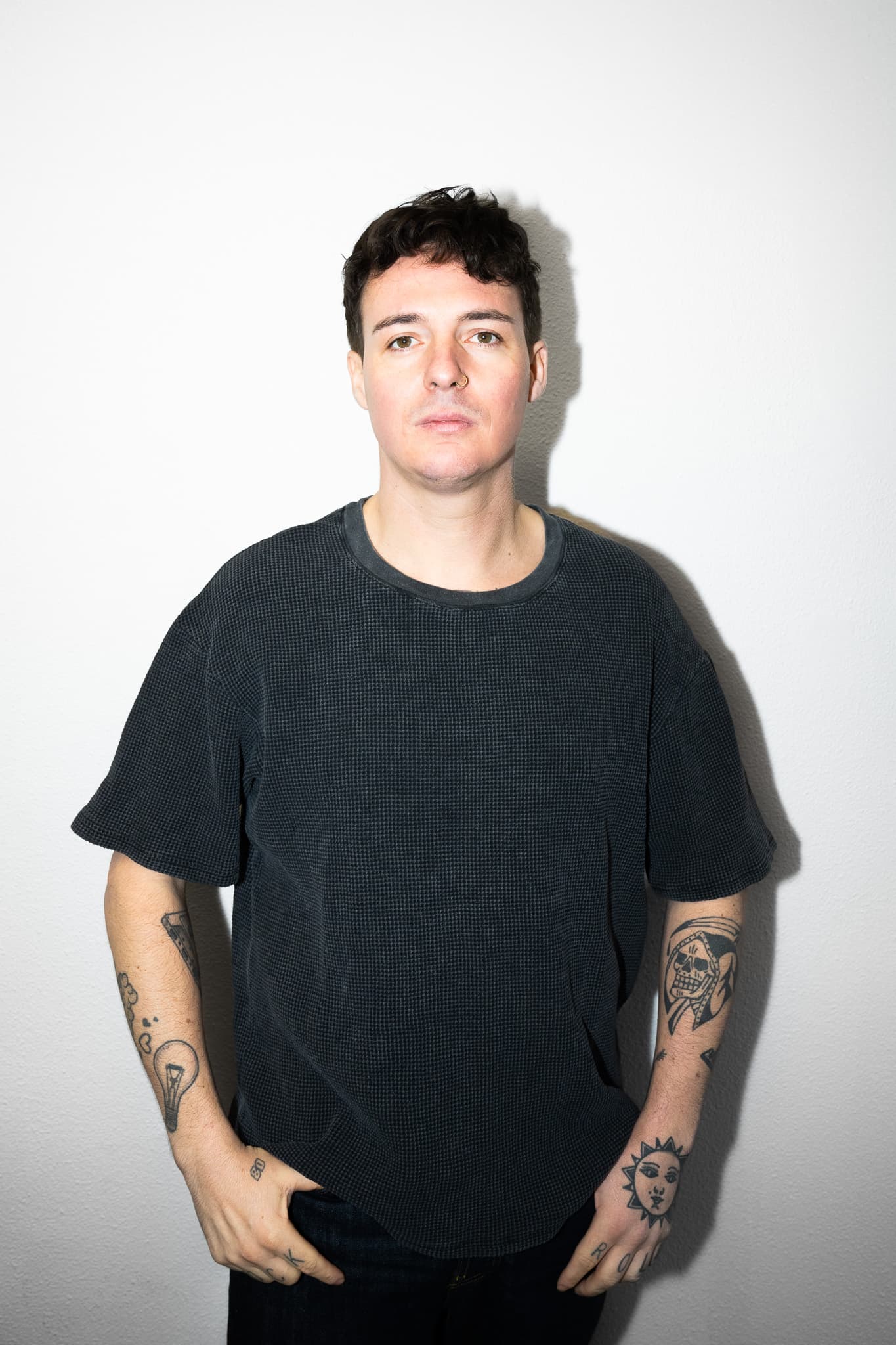
  • Maikel FleminksHead of Design
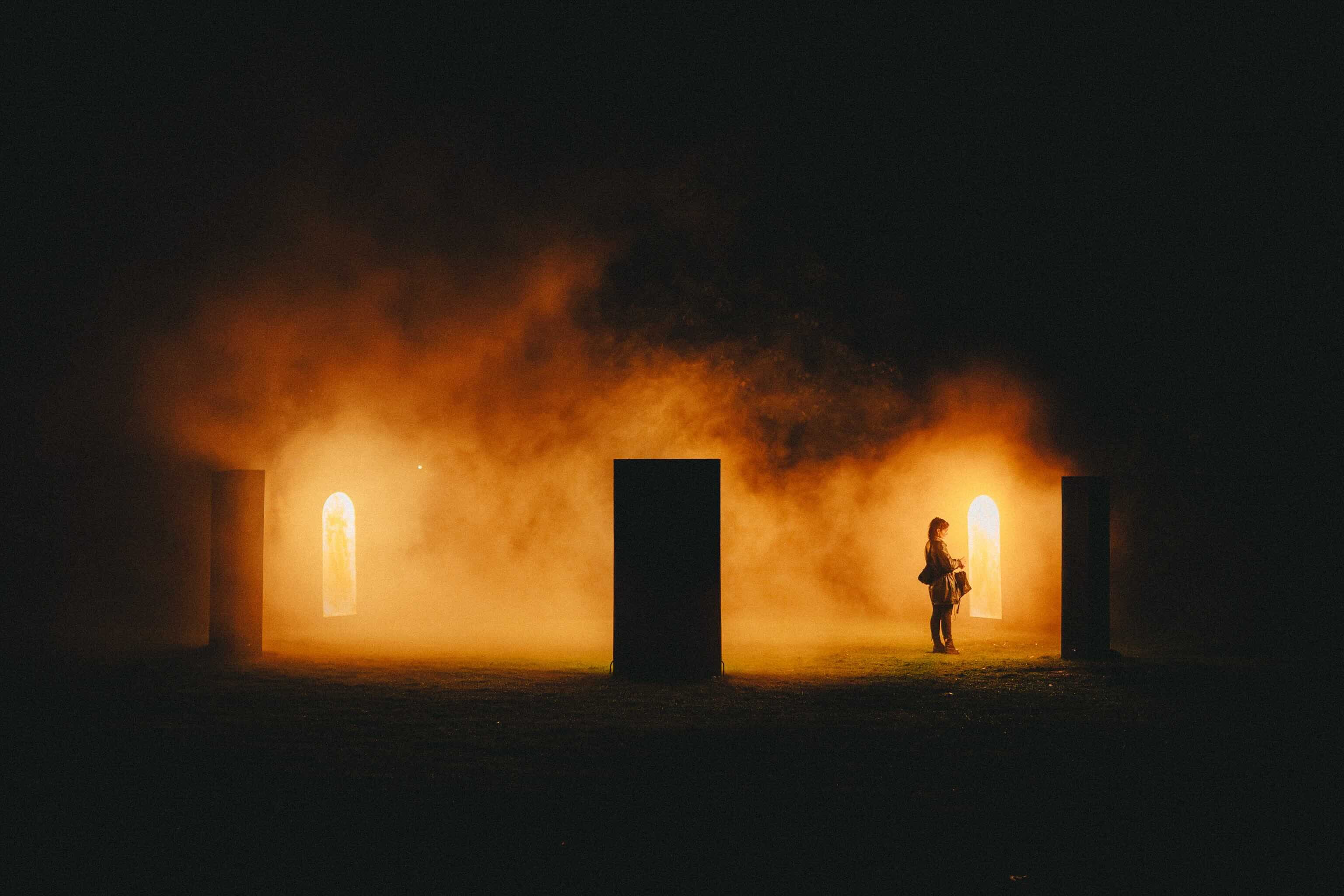
A lone visitor standing in orange-lit fog between dark pillars and two glowing arched doorways in a park at night
Schemerlicht Festival 2026 · Photo Elske Nissen

We sometimes spend weeks building something we already know we're going to take apart.

A strange business model, perhaps.

But it is also one of the things we love about producing temporary art.

An artist has an idea. Then comes the location, technology, structures, testing, budgets, things that don't work, things that suddenly work better when you stop trying to hide them, and a lot of looking at something and thinking: not quite yet.

And then it opens.

For a few hours or days, all of that work disappears, and there is just the experience.

Then we take it all down again.

There is something fascinating about that process.

You can spend weeks or months developing, engineering, testing and refining something that is designed to disappear. And because the final result may only exist for a short time, there is very little room for almost right.

The audience sees the finished work.

We see everything that had to happen before it could exist.

So what actually happens behind the finished image?

01

An empty space isn't really empty


Walk into an empty field, building or room and most of us see the space that is already there.

Hannes Trooster, Managing Director at Eventcare, is already imagining what it could become.

I try to step into the eyes of the visitor and imagine the installation taking place at the location.

Hannes TroosterManaging Director

Where will someone first see the work? From which direction will they approach it? What should draw their attention? Where is the strongest viewpoint?

“I try to determine what should be the best viewpoint so that we have a point of focus.”

From there, Hannes starts sketching the installation into the location, looking for the setup that creates the strongest possible artistic impact.

Before a cable has been laid or a projector positioned, production has already started.

The surroundings become part of the installation. Existing light can influence the work. The route people take can change the way an installation reveals itself.

For a few hours or days, the work has to feel as though it belongs exactly there.
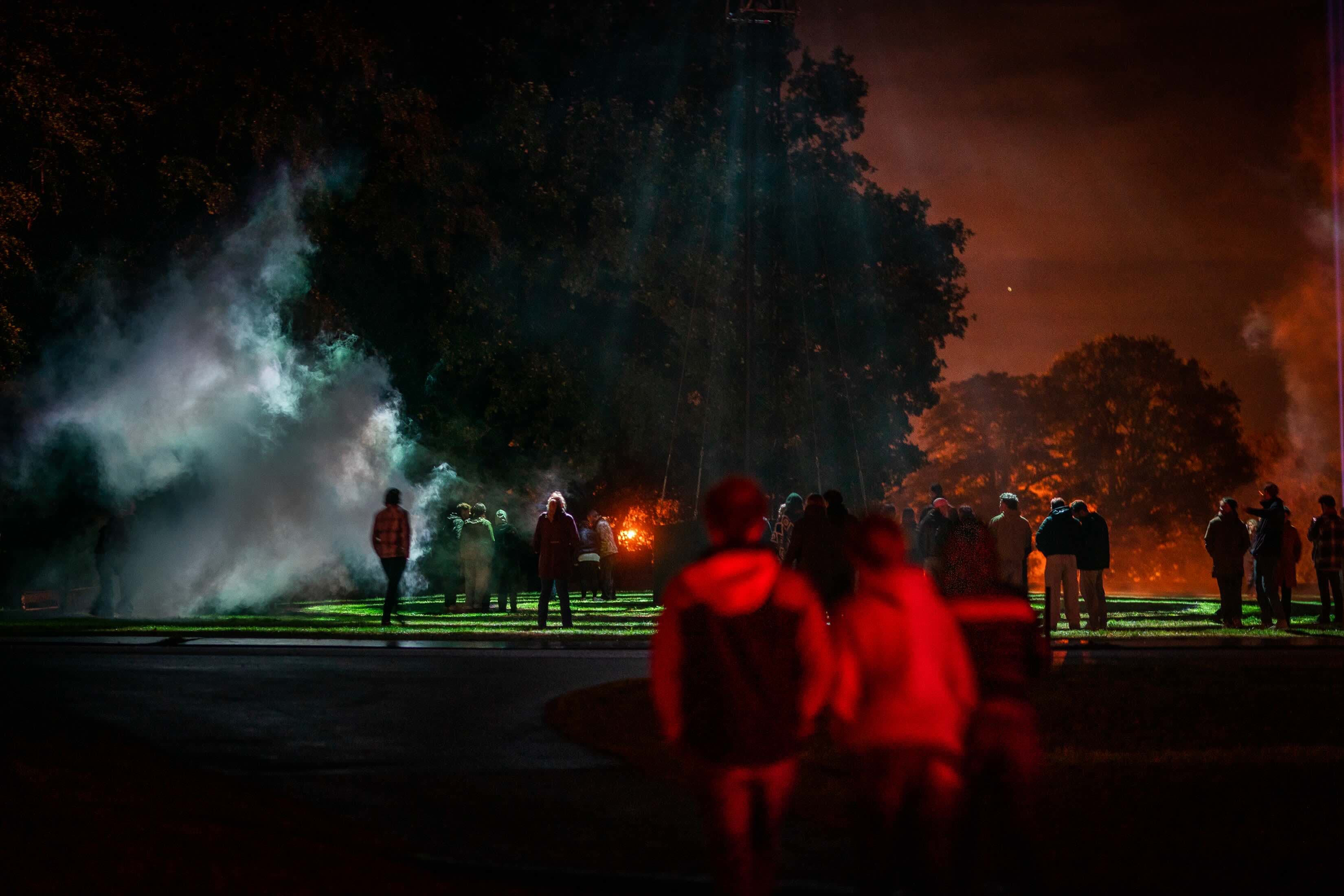
Visitors walking across a green-lit lawn towards drifting smoke and a red glow beneath tall trees
Schemerlicht Festival 2026 · Photo Rolf Hensel
02

The projector problem


Then come the details nobody will ever ask about.

During one light art installation, the team was working with projectors that were clearly visible to the audience.

The obvious solution seemed to be hiding them.

So that is what they tried.It made things worse.

We worked hard to hide the projectors. In the end, it worked best to just keep them as they were. Hiding equipment usually attracts more attention to it.

Hannes TroosterManaging Director

Eventually, they stopped trying to disguise them.

It sounds like a tiny production problem.But temporary art is full of these decisions.

A projector does not necessarily need to be invisible.It just needs to stop asking for attention.

Sometimes that means hiding technology. Sometimes integrating it. And sometimes it means leaving it exactly where it is.

The visitor will probably never know that conversation happened.Which is exactly the point.

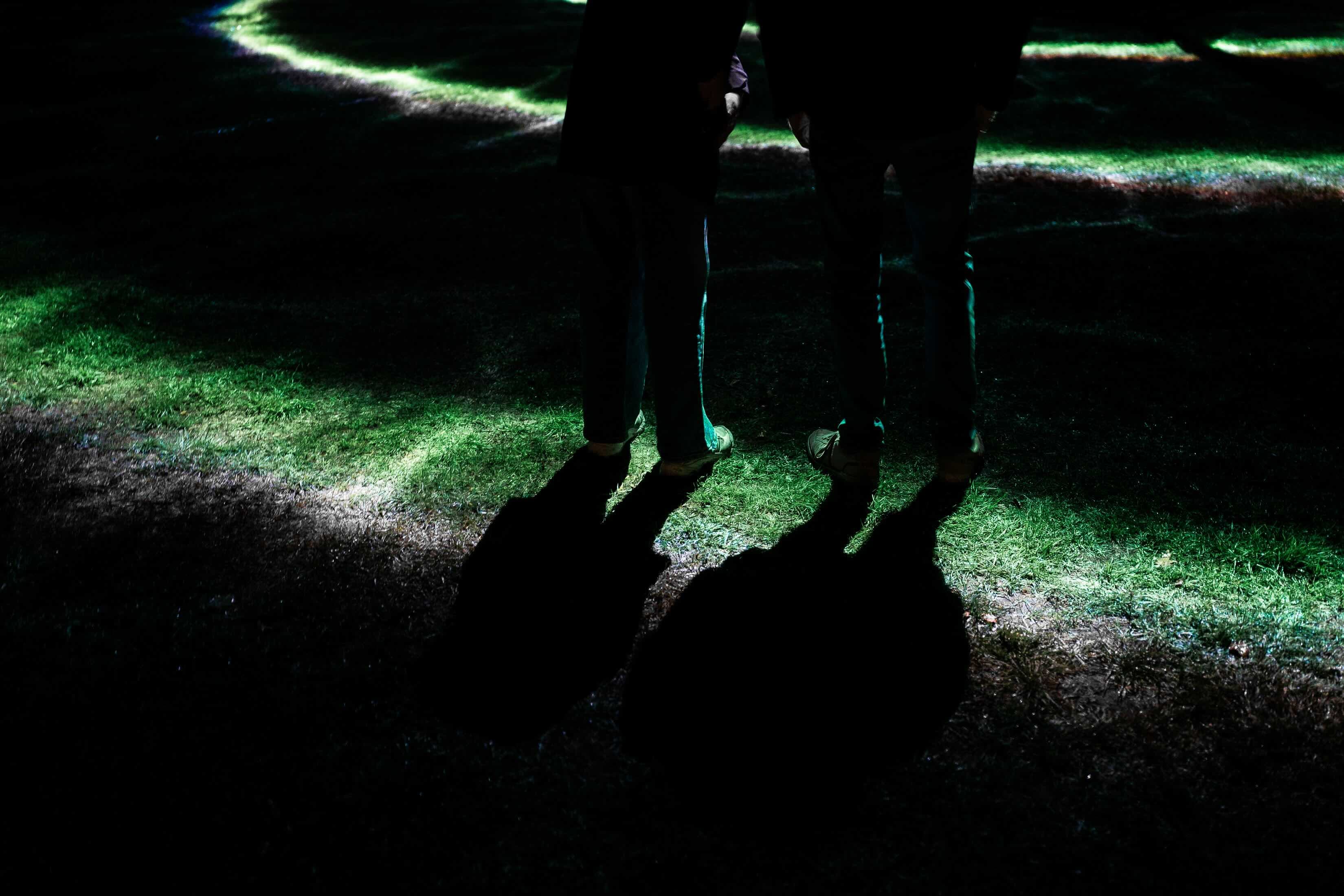
Two visitors' legs and long shadows on grass striped with green projected light
Schemerlicht Festival 2026 · Photo Rolf Hensel
03

Built backwards


Temporary art has a strange production logic.

You have to think about how something disappears before it even exists.

How does everything arrive?How quickly can it be assembled?What happens when the public enters?What if something unexpected happens?And how does it all leave again without compromising the work while it is there?

For Hannes, those questions influence the technical solution from the beginning.

We ask ourselves: how do we make this easy to install and take down within a short timeframe?

Hannes TroosterManaging Director

He also considers what team is actually needed to run the installation and how unforeseen circumstances can be accounted for before they happen.

The interesting part is not efficiency for efficiency's sake.

Temporary installations have a compressed life: build, test, open, experience, dismantle. Sometimes within a matter of hours.

Every unnecessary layer of complexity creates another thing that can fail, another thing that needs attention and another technical element that can distract from the work.

So part of building something temporary is already thinking about its disappearance.

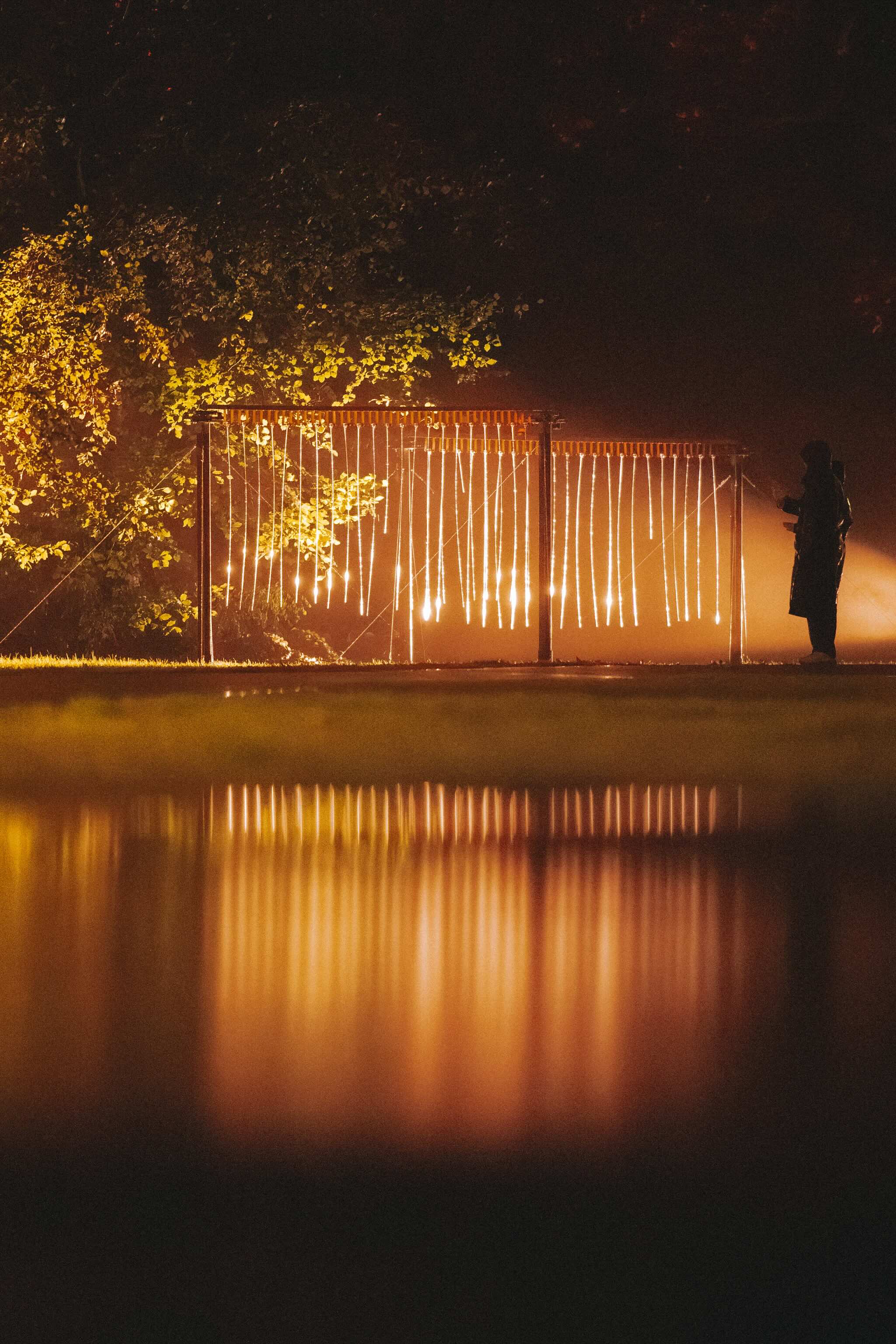
Frame of hanging warm light strands beside trees, mirrored in still water, with a silhouetted visitor at its edge
Schemerlicht Festival 2026 · Photo Elske Nissen
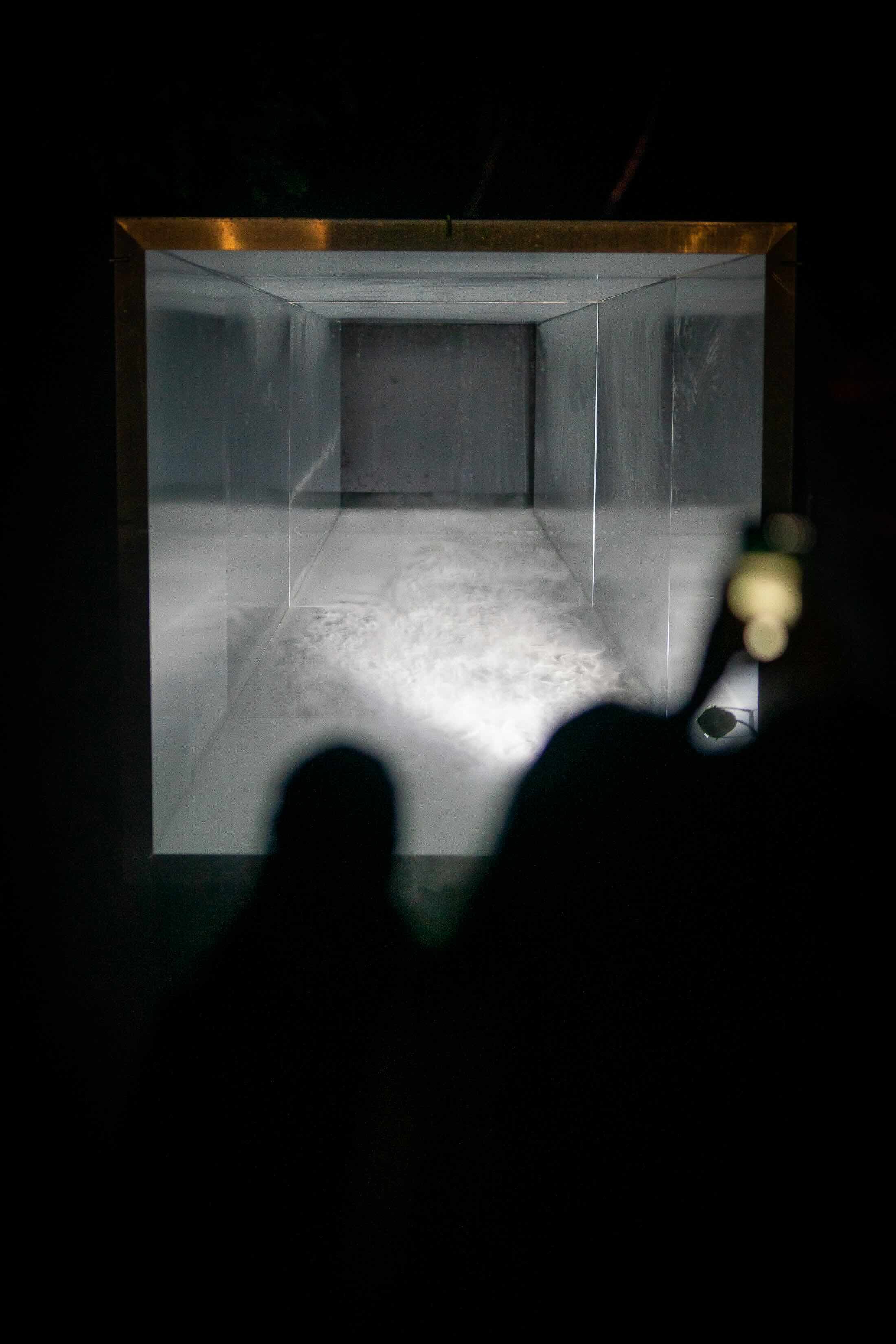
Silhouetted visitors looking into a mirrored steel tunnel, one holding up a phone light
Schemerlicht Festival 2026 · Photo Rolf Hensel
04

The audience sees it once. We don't.


There is another strange imbalance in temporary art.

A visitor might experience an installation once.The team behind it has already looked at it over and over again.

That repetition is where much of the work happens.

For Hannes, one part of the preparation is particularly important:

Make sure we have a rehearsal.

Hannes TroosterManaging Director

Because opening should not be the first time you discover what the work actually does.

You test.Look.Change something.Look again.Preview it from the visitor's position.Walk away.Come back.

And often arrive at the same conclusion:

Not quite yet.

The closer you get to finished, the smaller the changes often become.And those small changes can make all the difference.

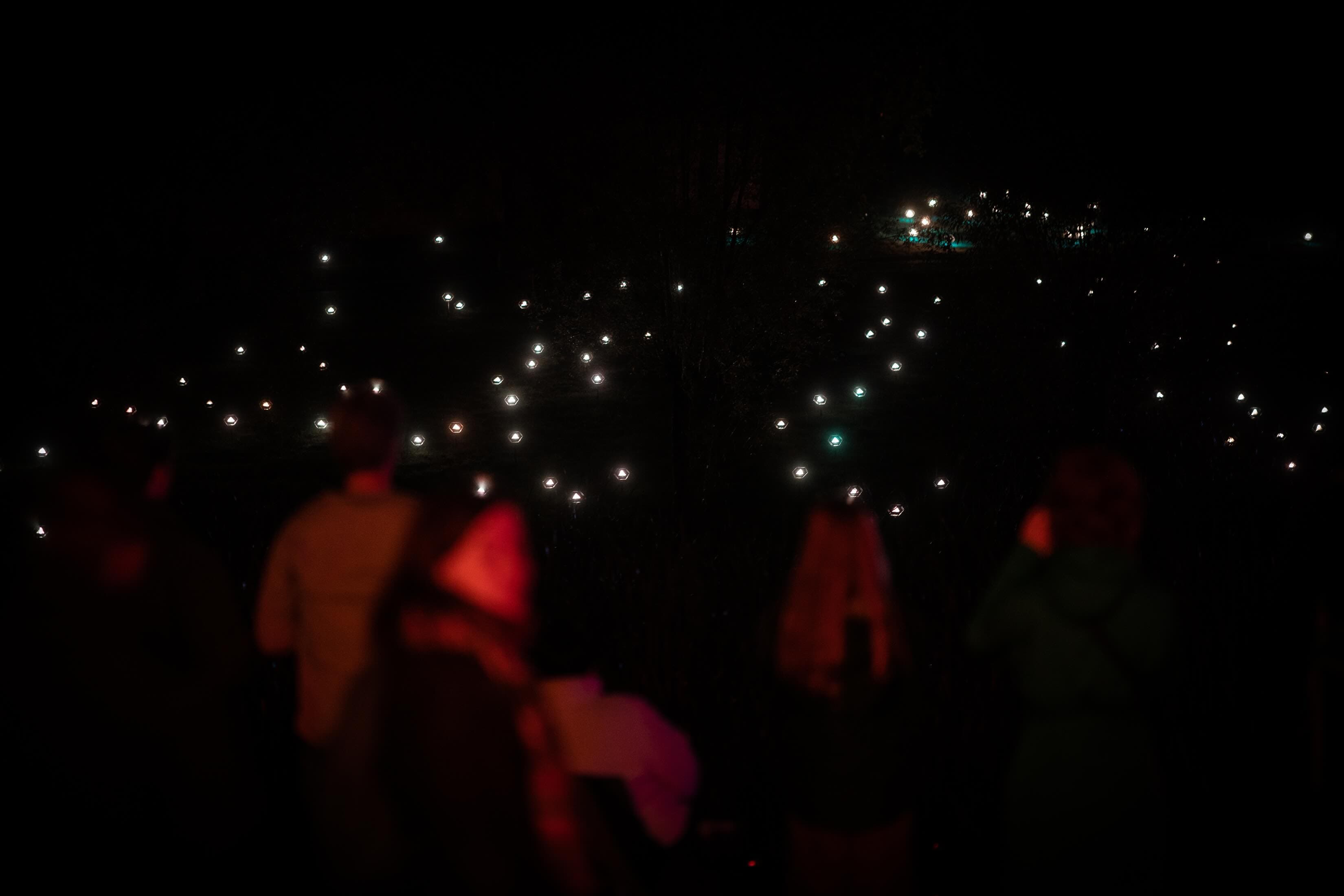
Blurred visitors watching a field of small white lights scattered across the dark
Schemerlicht Festival 2026 · Photo Rolf Hensel
05

Technically finished isn't finished


At some point, everything works.

The structure stands.The projectors project.The lights respond.

Technically, you could call the installation finished.

But technically finished and artistically finished are not necessarily the same thing.

“It takes a lot of time and a lot of patience to transform a technical installation into an art installation,” Hannes says.

The things the team starts looking at can seem almost insignificant.

Light pollution.Technical equipment drawing slightly too much attention.A viewing angle that does not quite work.One element that does not actually need to be there.

“Details like light pollution, minimizing technical equipment and the art of leaving stuff out are essential to make artistic impact.”

Maikel Fleminks, Head of Design at Eventcare, describes the difference between producing an event and producing art much more simply:

It's way more subtle.

Maikel FleminksHead of Design

There is no button you can press that tells you the balance is right.

It takes testing and previewing.Again and again.

“A combination of very well thought out minor details make or break it,” Hannes says.

And then comes perhaps the best description of the entire process:

It is never just simple, specifically when it actually looks simple.

Hannes TroosterManaging Director

The more effortless the final work feels, the more work may have gone into making it feel that way.

It is a process we know well. Eventcare works with Studio Roosegaarde on the worldwide technical production of its artworks, translating artistic work into installations that can function across different locations and conditions.

Each new setting brings its own technical reality. The artwork may travel, but the way it is installed and experienced has to work all over again.

Making an artwork feel exactly right in a completely different place is a craft in itself.

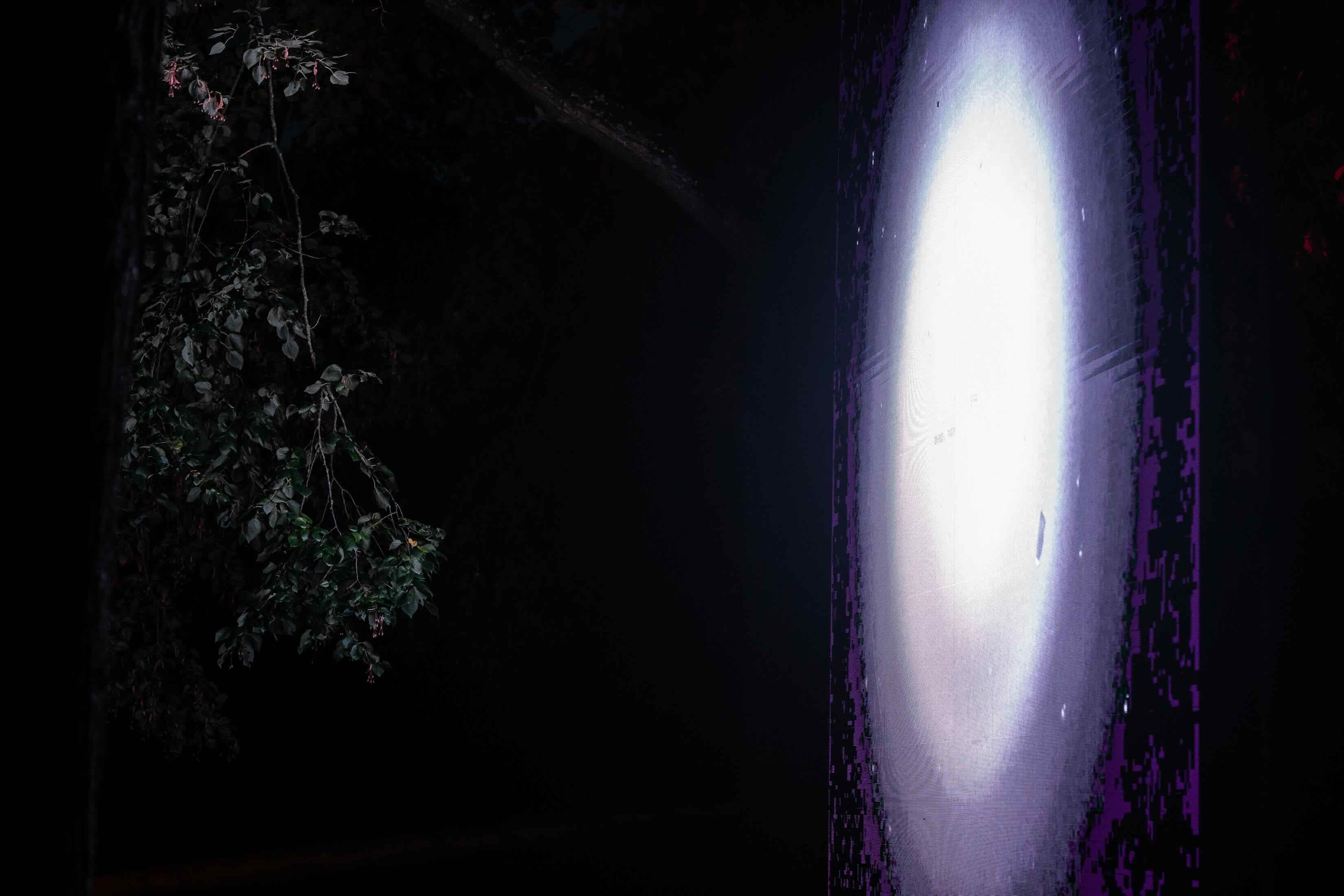
Glowing white and violet oval on an LED screen beside dark hanging foliage
Schemerlicht Festival 2026 · Photo Rolf Hensel
06

Sometimes the best production decision is no


There is one part of the process the audience almost certainly never sees.

The conversations about what not to do.

An artist may arrive with a particular technical solution in mind. Once that idea meets the location, available budget and technical reality, that solution may need to change.

For Maikel, this is where being direct matters.

It depends on the artist and the knowledge they have. It's important to be direct and if something is never going to work or fit in budget, give either an alternative option or something that does fit.

Maikel FleminksHead of Design

Most of the time, there is another route.

Use existing equipment differently. Change part of the technical setup. Find a solution that achieves the artistic result without requiring everything to be custom-built.

Behind the scenes, Maikel and Hannes actively look at existing equipment and solutions because a fully customised technical solution can quickly make an installation too expensive to realise at all.

The question then becomes not: Can we still build the original plan?

But:Can we change it without changing the work?

“Can we make this change without impacting the artistic value?” Hannes says. “Can we change it while maintaining or improving the artistic outcome?”

Sometimes the answer is yes.And sometimes it is no.

Hannes remembers a project where reducing part of the technical setup would have made the installation fit within the limitations of the budget or venue.

Technically, they could have done it.But they could no longer guarantee the quality of the work.

If we choose to leave out part of the equipment to make it work within a budget or venue, we cannot vouch for the quality of the project.

Hannes TroosterManaging Director

Their advice was clear: either find a way to create the full setup or don't produce a compromised version.

The artist's response?

“OK, I trust you.”

That is an important part of producing someone else's work.

Sometimes your job is to solve the problem.Sometimes it is to know when solving the problem would create a worse piece of art.

07

From artist to festival


At Schemerlicht Festival 2026 in Nijmegen, Eventcare worked as artist / art production partner.

The festival transformed Goffertpark into an audiovisual art route where art, nature and science met.

For us, it meant working exactly in the space this article is about.

Between the artist and the festival.Between an artwork and the location where it needed to exist.Between what someone had imagined and all the technical decisions required to make the technology fade into the background.

Turning artworks into technical plans. Looking at what each location required. Testing, adjusting, building and finding solutions without taking away from the work.

Working with artworks in a temporary outdoor setting made that relationship between the work and its surroundings particularly important.

And then, for the duration of the festival, visitors got to experience the result.

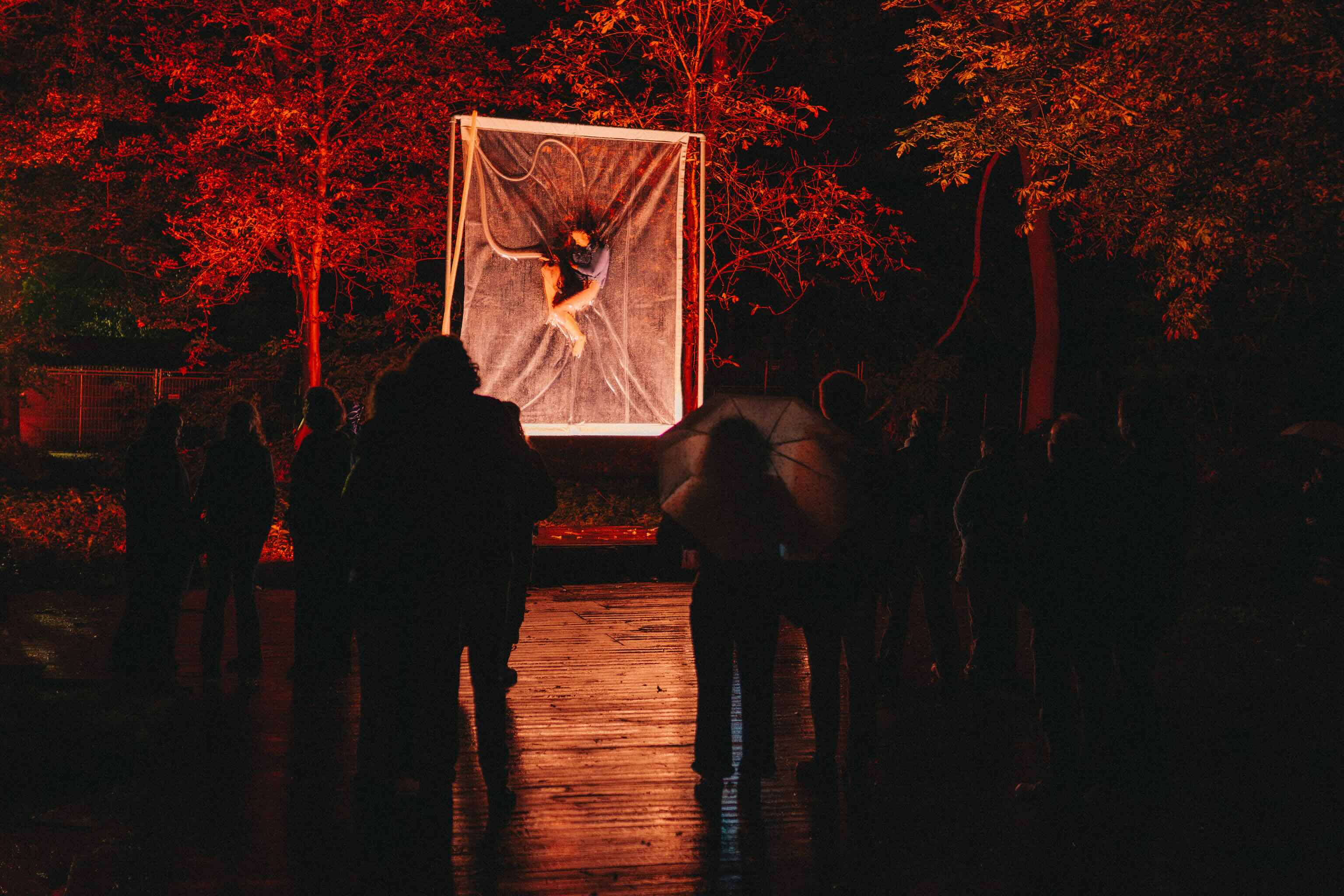
Crowd on a wet boardwalk under red-lit trees watching a performer suspended inside clear plastic in a white frame
Schemerlicht Festival 2026 · Photo Elske Nissen
08

And then it is gone


Eventually, the installation opens.

And something strange happens.All the production decisions disappear.

Nobody sees the conversations about projectors.Nobody knows which technical solutions were changed.Nobody knows what was deliberately left out.Nobody knows how many times the team stood in the same spot looking at the same light thinking:

Not quite yet.

For a few hours or days, there is simply the work.

Then the final visitor leaves.The lights go off.Load-out begins.

We do the load-out, make sure all equipment is back at the warehouse and make sure we do a good and thorough evaluation of the installation so that we can always keep improving.

Hannes TroosterManaging Director

Soon after, the location may look almost untouched.

Weeks or months of work for something that existed only temporarily.

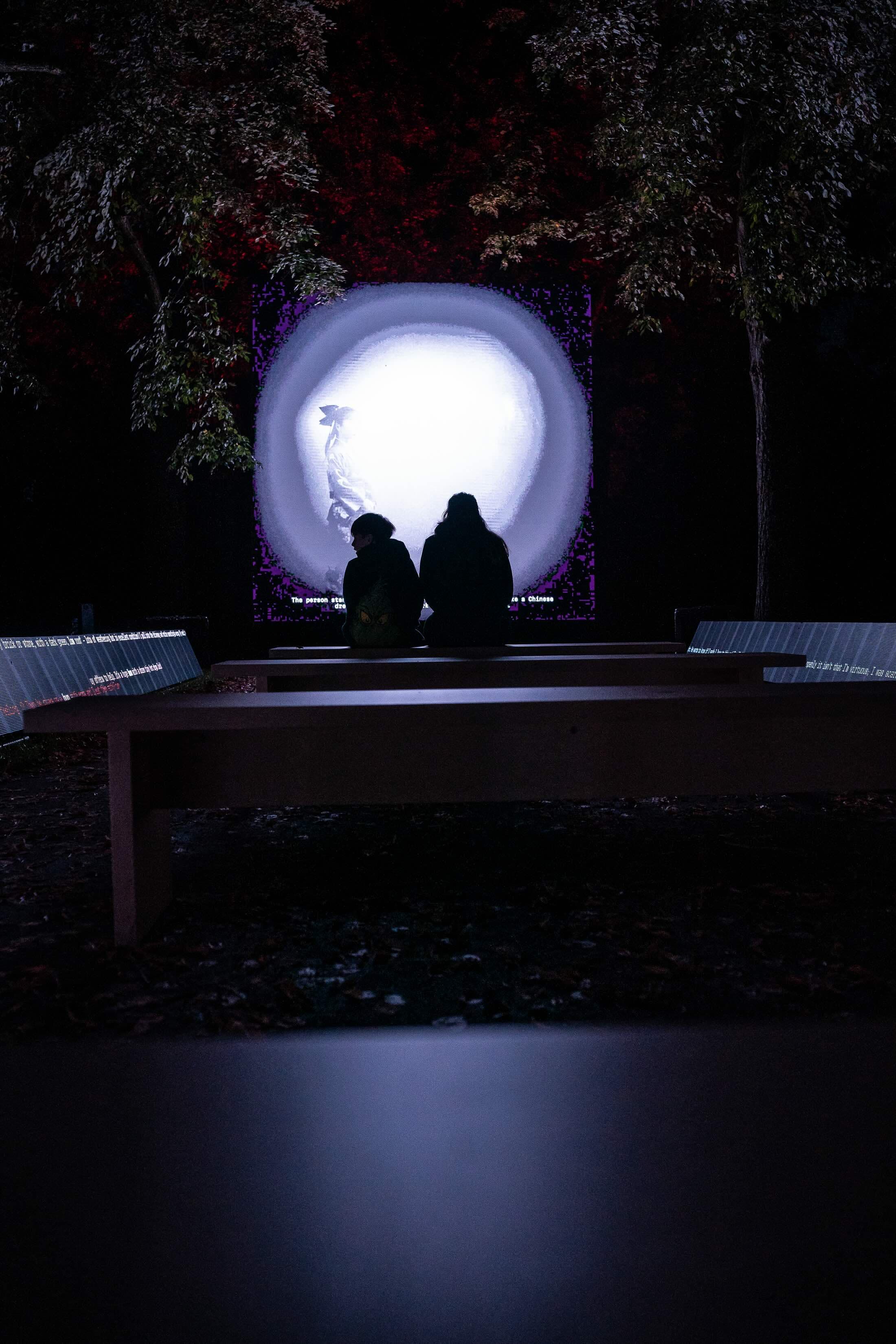
Two visitors seated on a wooden bench before a glowing circular screen with subtitles, under trees at night
Schemerlicht Festival 2026 · Photo Rolf Hensel

And then we start thinking about the next one.

Because permanence was never the measure of success.

The work was built to disappear.

What people experienced was not.


Next cue

From thinking to making

Bring us the ambition, the constraints and the rough first idea. We will help shape what happens next.

Get in touch.See selected work
Get in touchContact.
Call+31 20 215 93 35Emailinfo@eventcare.nl