Studio conversationAmsterdam11 August 2026
Beyond execution.
Why great projects need more than execution
Because delivering a project is one thing. Taking ownership of the outcome is something else.
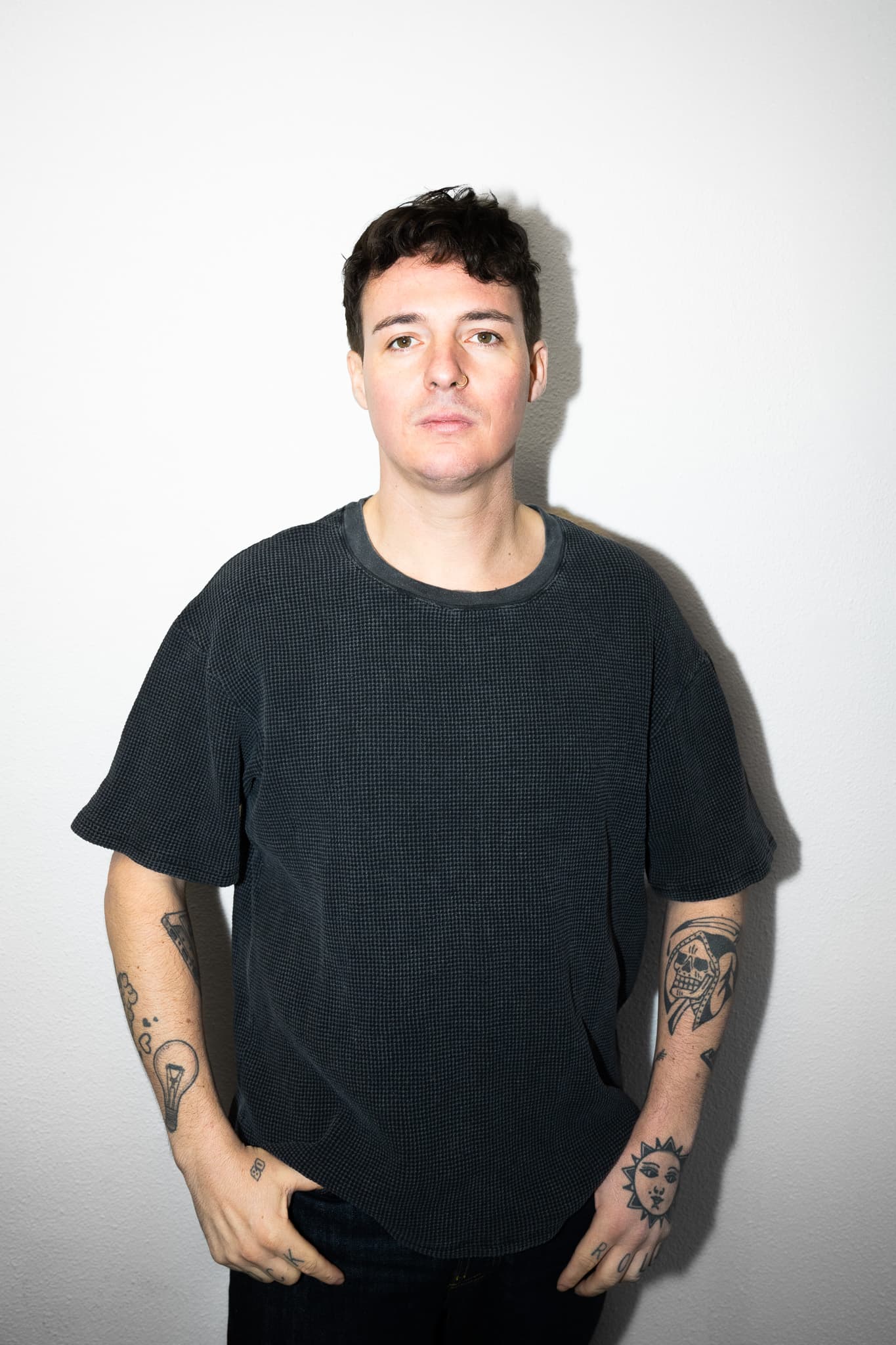 Maikel FleminksHead of Design
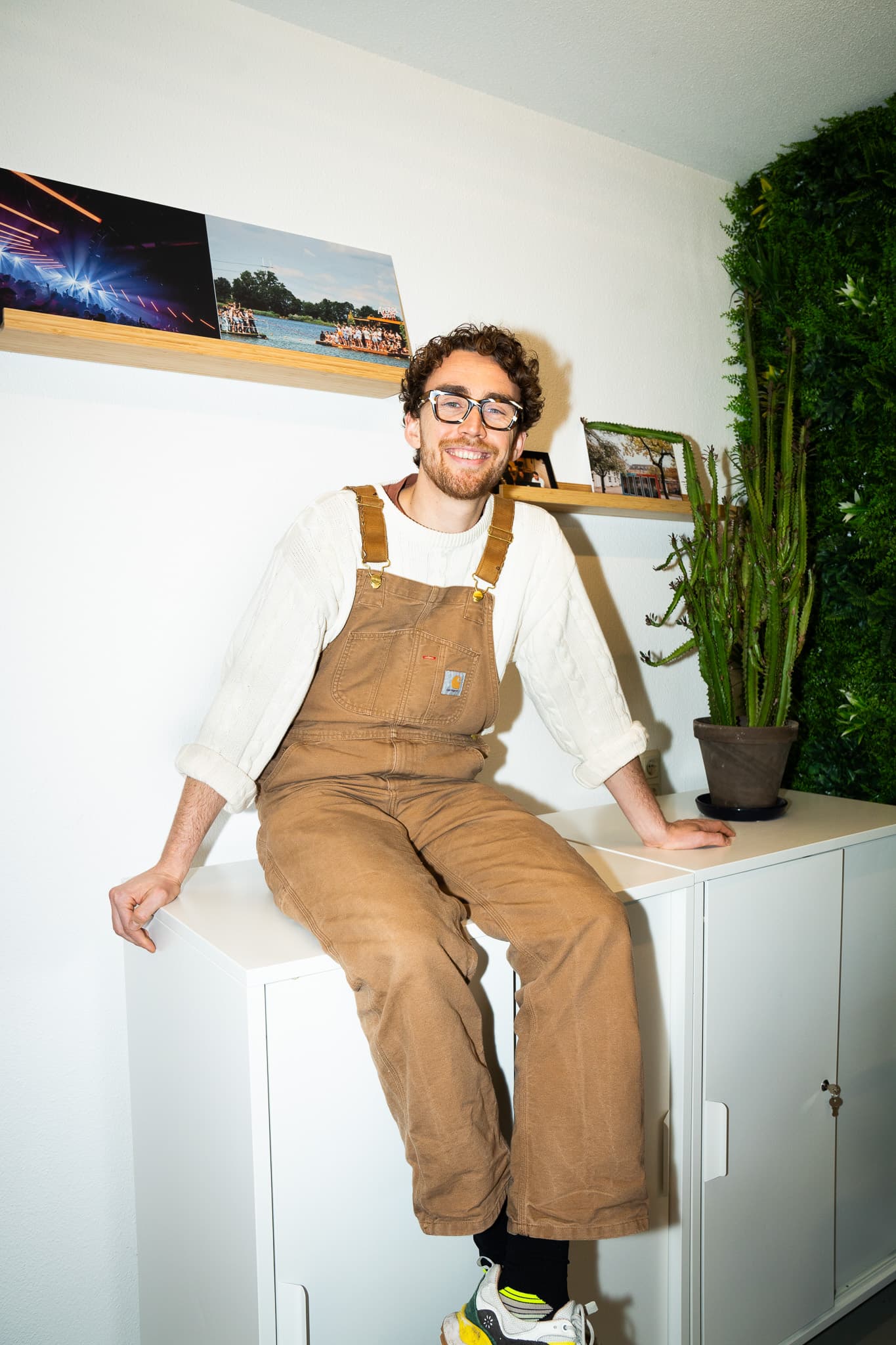 Hannes TroosterManaging Director
A project can be delivered perfectly and still fall short.
The brief is completed. The deadlines are met. The technical details are handled. And yet, something is missing.
The difference between a project that works and an experience that stays with people is not found in execution alone. It is found in the choices made before anyone notices there is a problem.
It starts with intention
You can often tell early on whether a project has the potential to become something special. Not by the budget. Not by the timeline. But by the intention behind it.
When a client wants to create something unique or make a real impact, you feel it in the first meeting. Once that intention is clear, everything else becomes secondary.
A successful project is not only about meeting expectations. It is about understanding what the client wants people to feel, experience, and remember.
The power of less
The biggest impact rarely comes from adding more. It often comes from knowing what to leave out.
That is the invisible part of our work. You create the most impact by not doing a lot of things. Less is more.
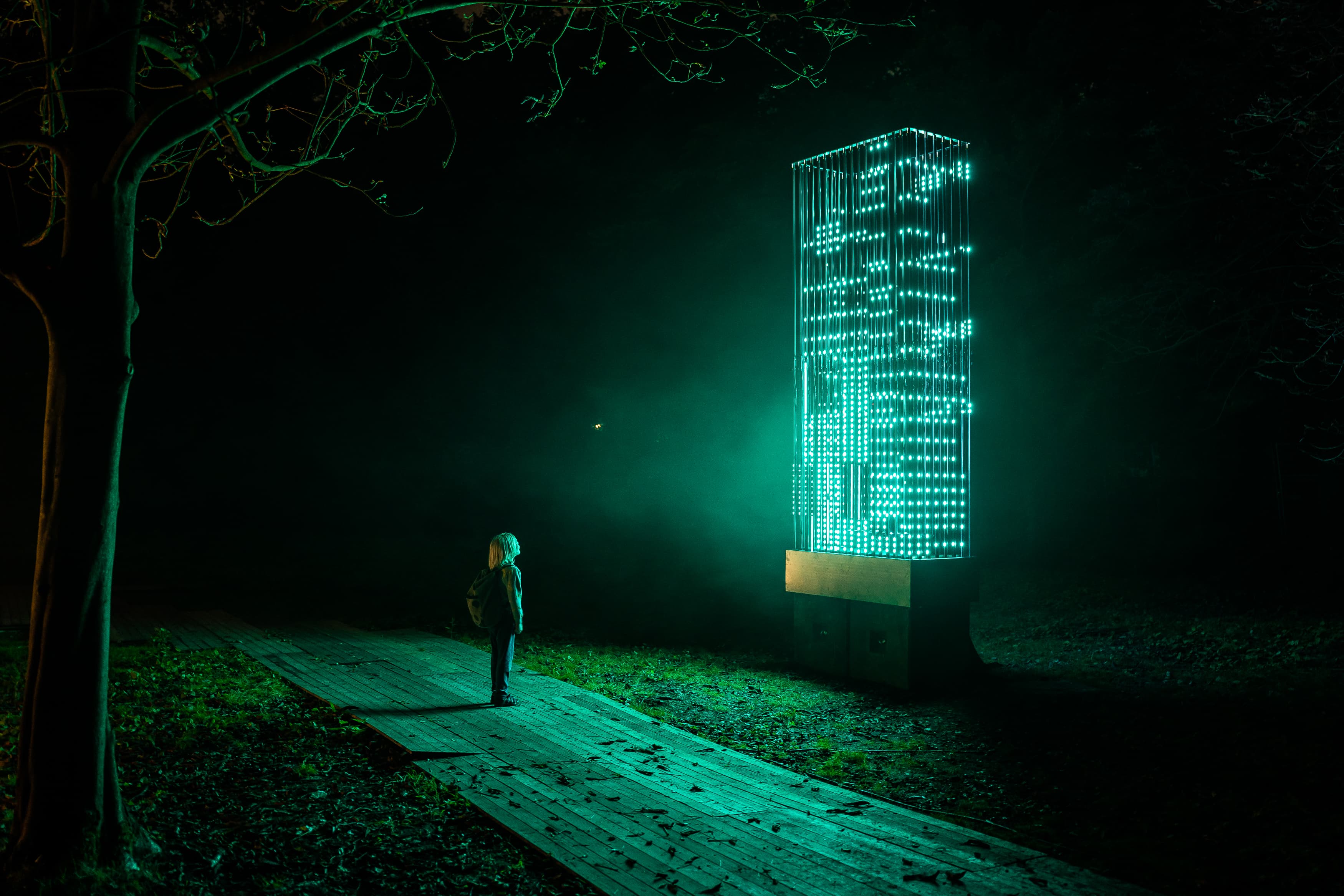
The audience will never see all the decisions that were made behind the scenes. But they will feel the result.
The difference is ownership
Execution delivers what was asked. Ownership questions whether it is enough.
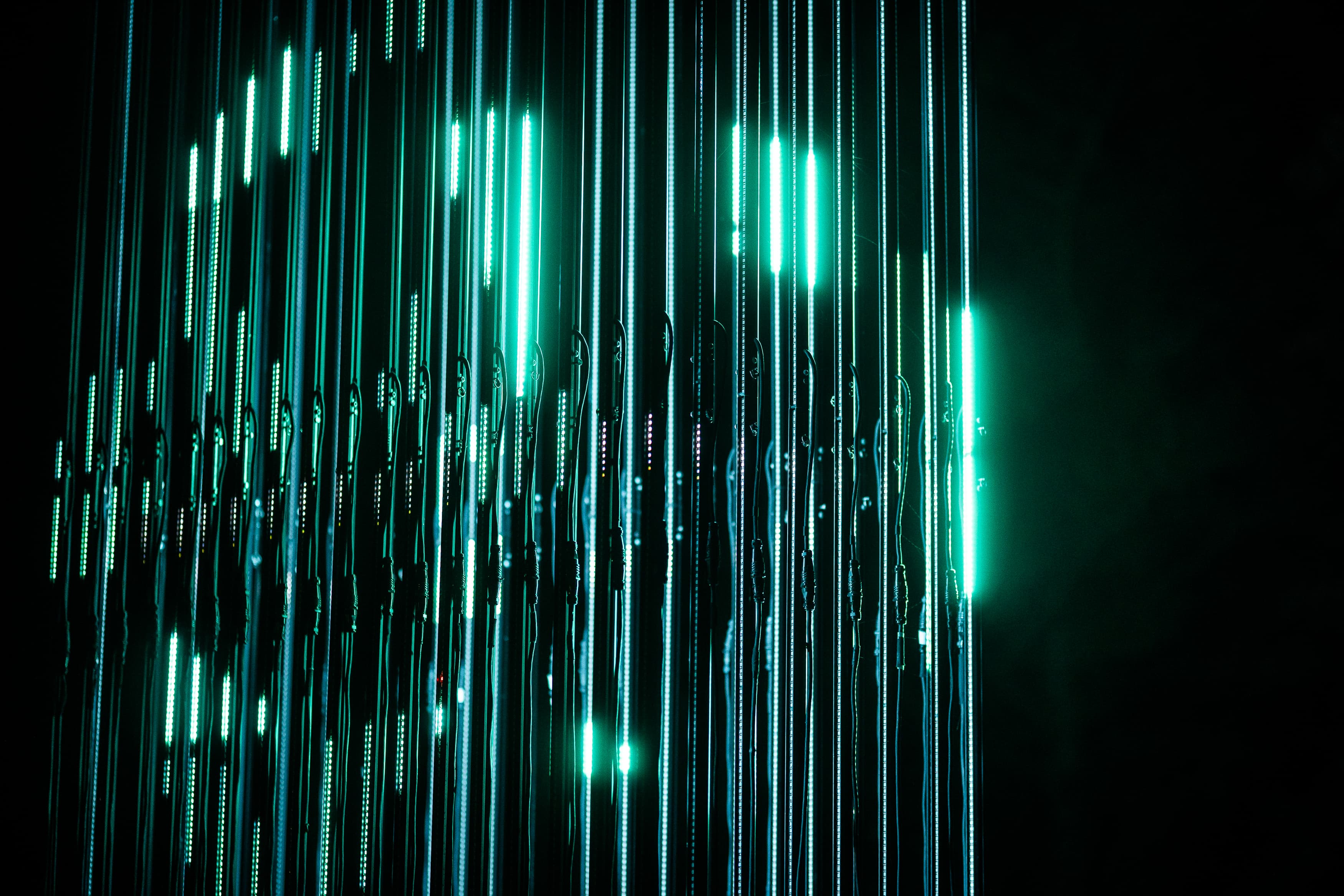
A real partner goes the extra mile to make a project better. You keep pushing, adjusting small details until it feels right.
The strongest projects are not created by doing exactly what was expected. They are created by caring enough to ask what could be better.
Where ideas meet reality
Creative ideas rarely arrive in their final form. They push boundaries. They challenge what is possible. And sometimes they meet practical limitations.
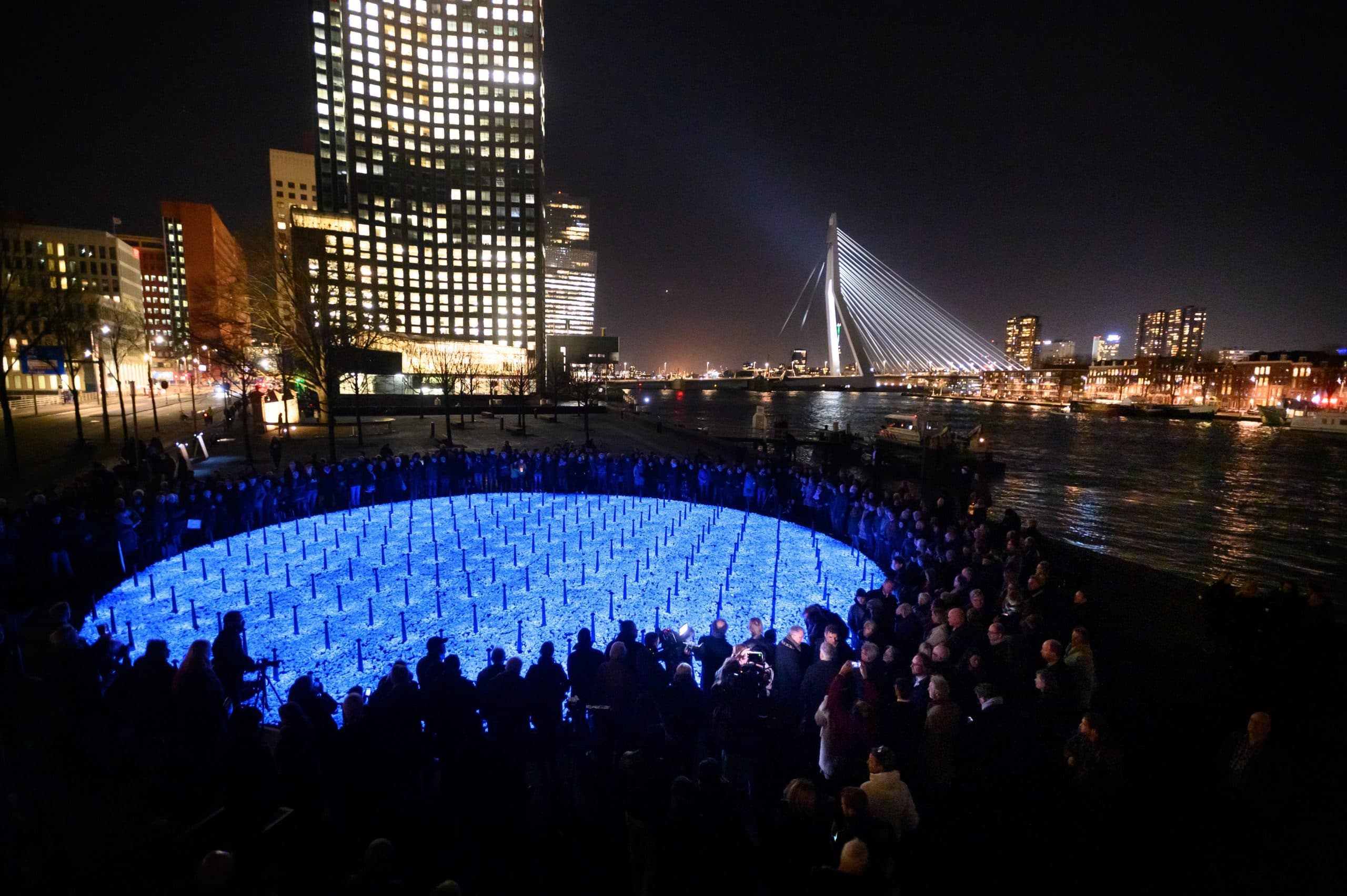
In the design phase, you often come up with things that are not physically or legally possible. Then you adapt. Or redesign. It needs to be safe and feasible, without losing the essence of the idea.
The goal is never to reduce the ambition. The challenge is to translate the original idea into something that works in the real world.
Alignment before execution
Every project starts with a simple but important question: are we aligned? Not only on deliverables, but on ambition, expectations, and what success actually looks like.
The first thing I do is understand the story a client wants to tell, and the budget they have available to tell it. If those do not match from the start, you will run into problems later.
A strong foundation prevents disappointment further down the line.
Preparation makes the difference
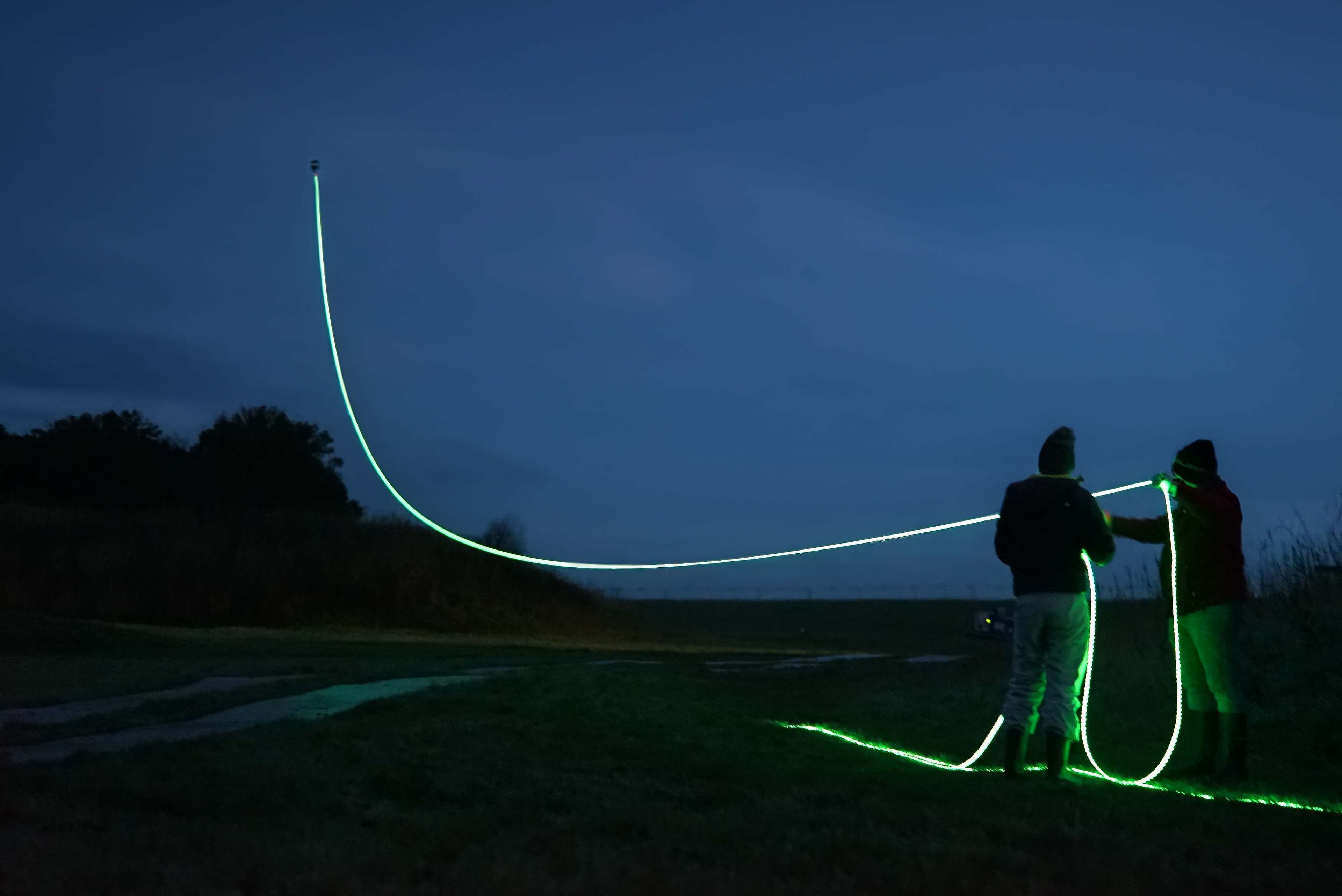
During one outdoor festival production, a sudden storm brought wind speeds up to force 10. Because the exact restrictions for every structure were understood and preventive steps had been taken in time, the main stage could be protected.
Sometimes it feels exaggerated to go through every worst-case scenario. Until the moment it makes the difference.
Preparation is not about expecting everything to go wrong. It is about being ready when something does.
A constant balance
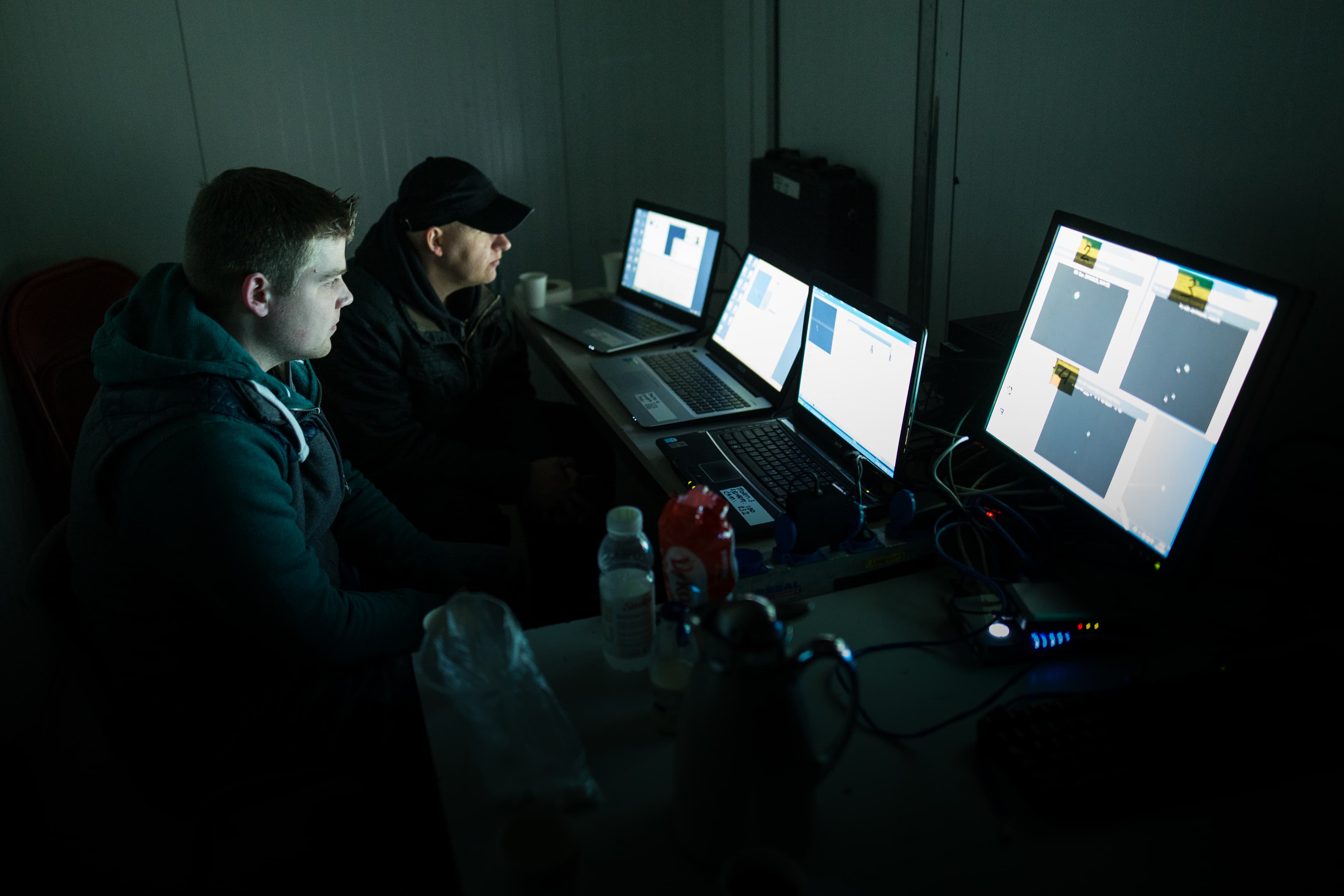
Strong projects are rarely created from one perspective. They come from different ways of thinking challenging each other. Optimism and caution. Knowing when to push forward and when to reconsider.
I tend to see opportunities everywhere, while Maikel has a strong feeling for when something might become a difficult project. That balance helps us make better decisions.
The best decisions come from combining both perspectives.
What success actually looks like
You know a project is working when everything comes together. The client feels understood. The audience experiences something memorable. The team enjoys creating it.
Behind every successful event is not only a technical solution or a creative idea. It is a group of people aligned around the same goal.
Why we do it this way.
There is an easier way to do this work. Take the brief. Deliver the specifications. Move on. Many companies do that well.
But the industry needs more partners who take the outcome personally. Partners who challenge ideas when needed. Partners who stay with the difficult questions. Partners who prepare for what others overlook.
That is how we work at Eventcare. Not just execution. Ownership.
Next cue
From thinking to making
Bring us the ambition, the constraints and the rough first idea. We will help shape what happens next.